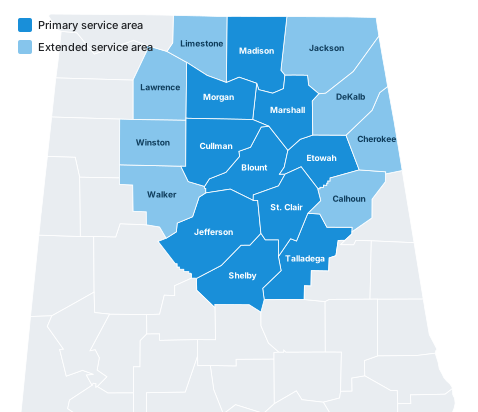
Roberts Wildlife Service Area
The services we provide include much more than animal control & removal: we also do animal proofing, damage repair, pest cleanup (including dead animal removal) – and more.
Wildlife Control & Prevention
Roberts Wildlife provides humane wildlife control and prevention across 18 North Alabama counties. Founded by Chase Roberts after eight years as an animal and wildlife control officer, the company specializes in live trapping, one-way exclusion devices, and full-property exclusion repairs to keep wildlife from returning.
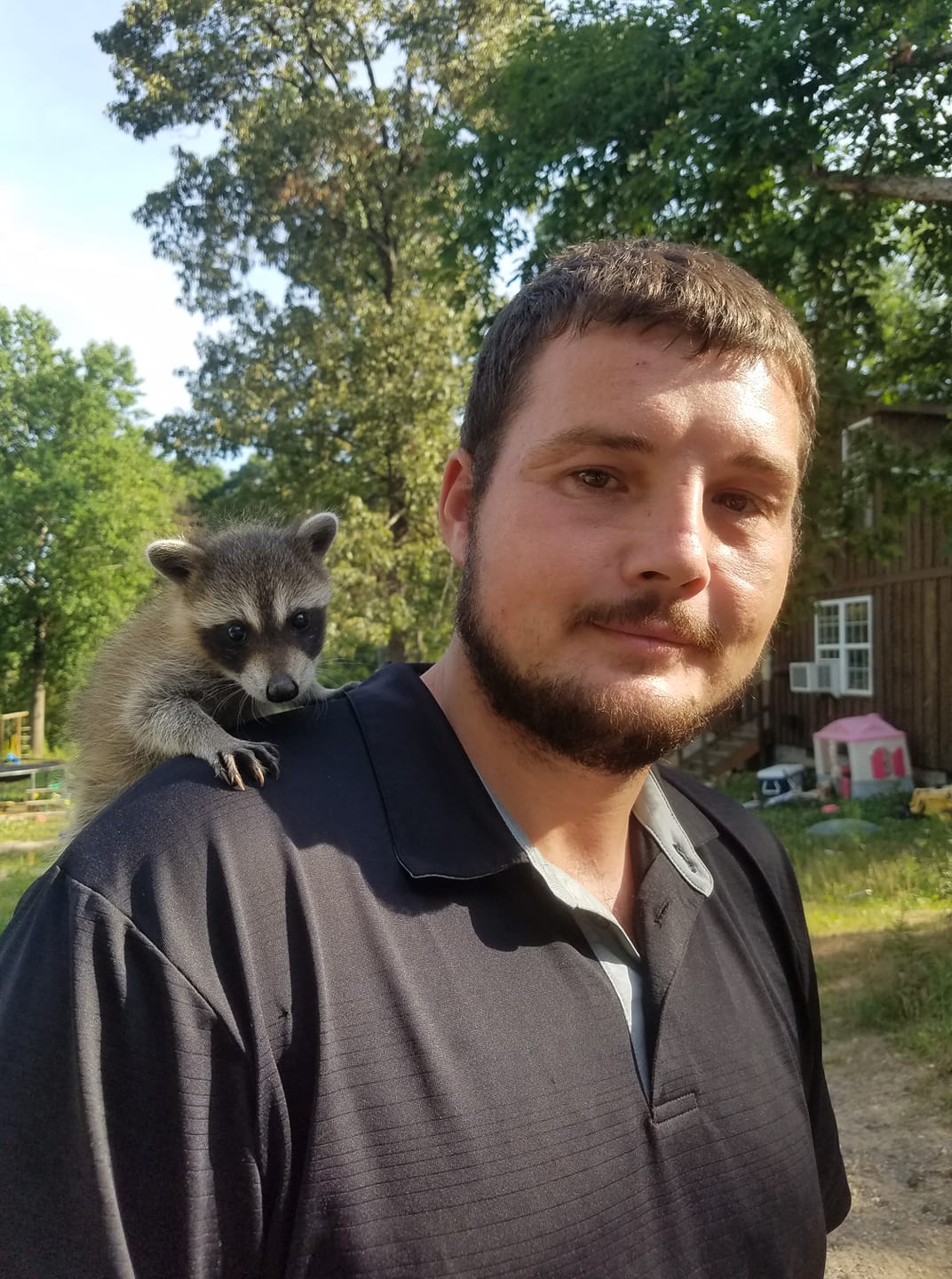
Looking for effective wildlife control services to safeguard your property? Look no further! I’m Chase Roberts of Roberts Wildlife. Our expert wildlife control team offers top-notch solutions tailored to North and Mid Alabama wildlife needs. With our comprehensive approach and cutting-edge techniques, we ensure the humane removal of unwanted wildlife from your premises while minimizing potential damage.
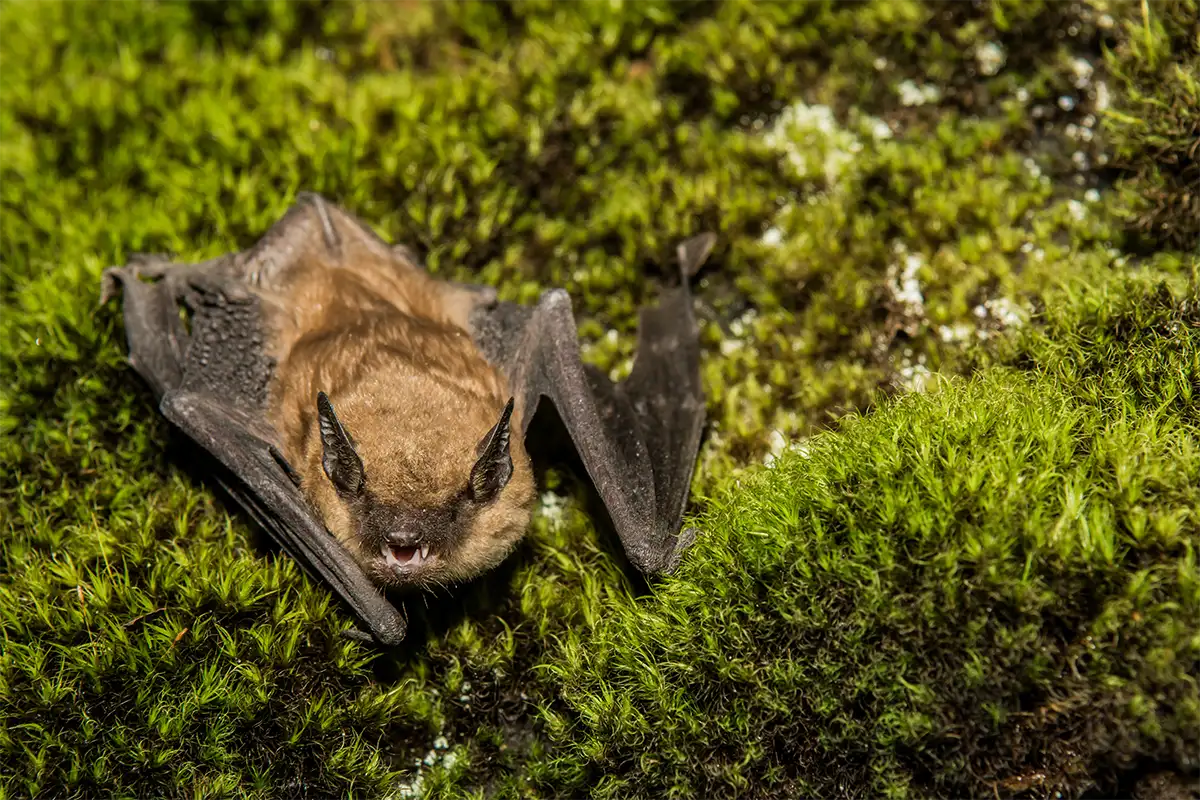
From raccoons and skunks to bats and squirrels, our skilled wildlife technicians are equipped to handle a wide range of critters. Trust us to protect your home or business from wildlife intrusions, allowing you to enjoy peace of mind and a harmonious coexistence with nature. Contact our wildlife control experts today and reclaim control over your property!
Pest Removal & Prevention
Roberts Wildlife handles squirrels, raccoons, bats, snakes, mice, rats, flying squirrels, opossums, chipmunks, and skunks across North Alabama. Every job uses humane methods first — live traps and exclusion devices, not poisons — and includes a one-year guarantee on areas we touch, with a 5-year warranty available on Squirrel, Raccoon, and Bat removal.
Are you tired of dealing with pesky wildlife causing havoc around your property? Our wildlife control services are here to provide you with the ultimate solution! We specialize in effective wildlife management techniques that are both eco-friendly and efficient. Our team of professionals has extensive experience in handling wildlife conflicts, employing state-of-the-art methods to resolve infestations promptly.
Whether it’s removing burrowing animals, deterring bird nests, or excluding rodents from your premises, we’ve got you covered. With our proactive approach and attention to detail, we ensure that your property remains safe and protected from potential damage. Experience the difference our wildlife control services can make and discover a hassle-free way to coexist with nature. Reach out to us today for a consultation!
Why Choose Roberts Wildlife?
- Squirrels
- Snakes
- Mice
- Rats
- Flying squirrels
- Bats
- Raccoons
- Opossums
- Chipmunks
- Skunks
- and the occasional Sasquatch!
Request Wildlife Service
More Information About Pest & Wildlife Control
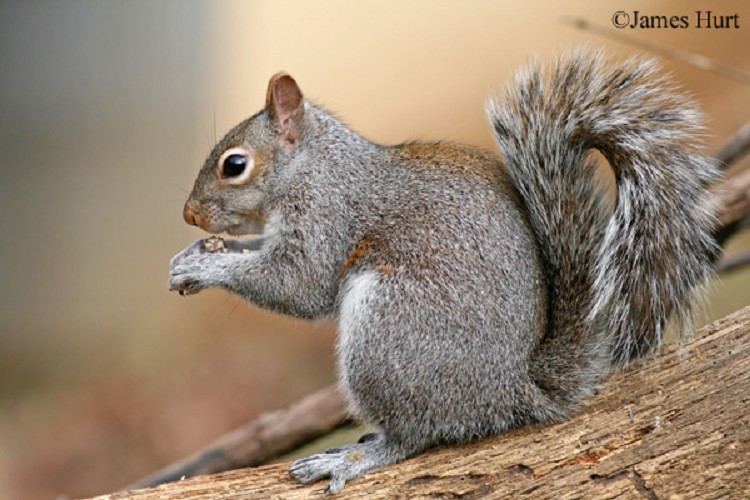
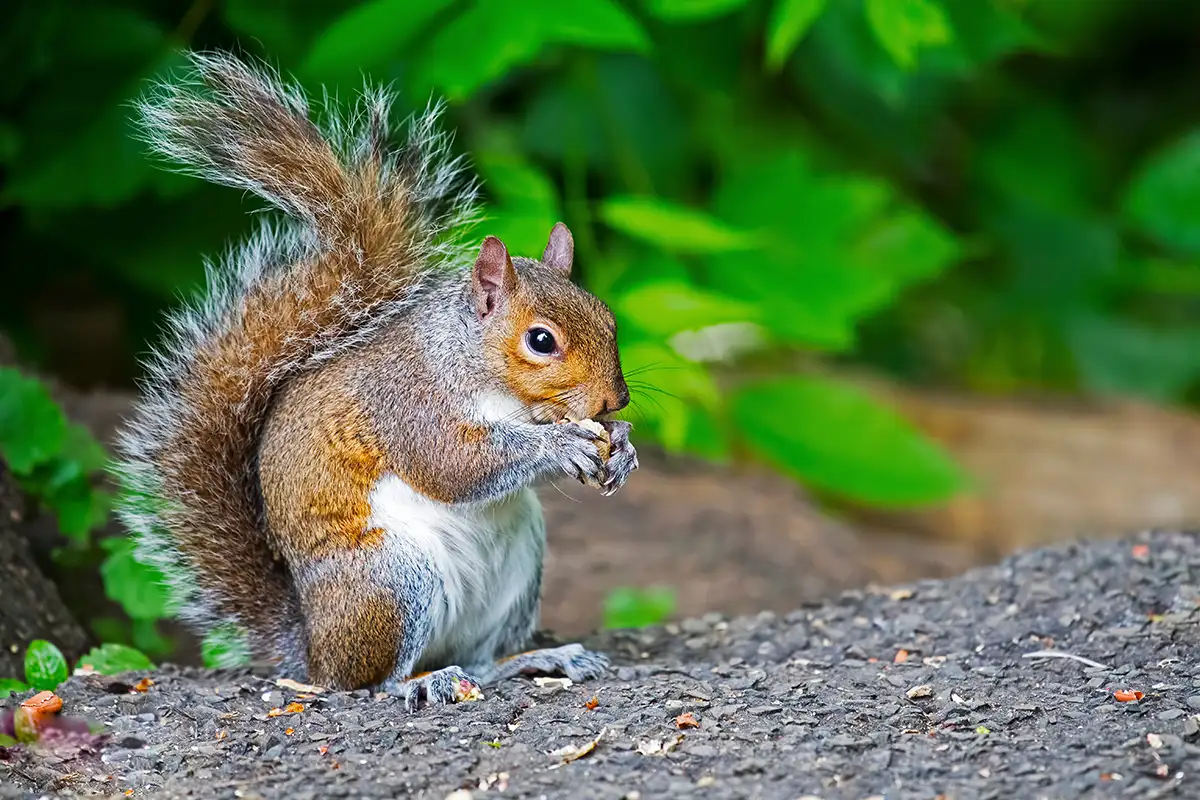
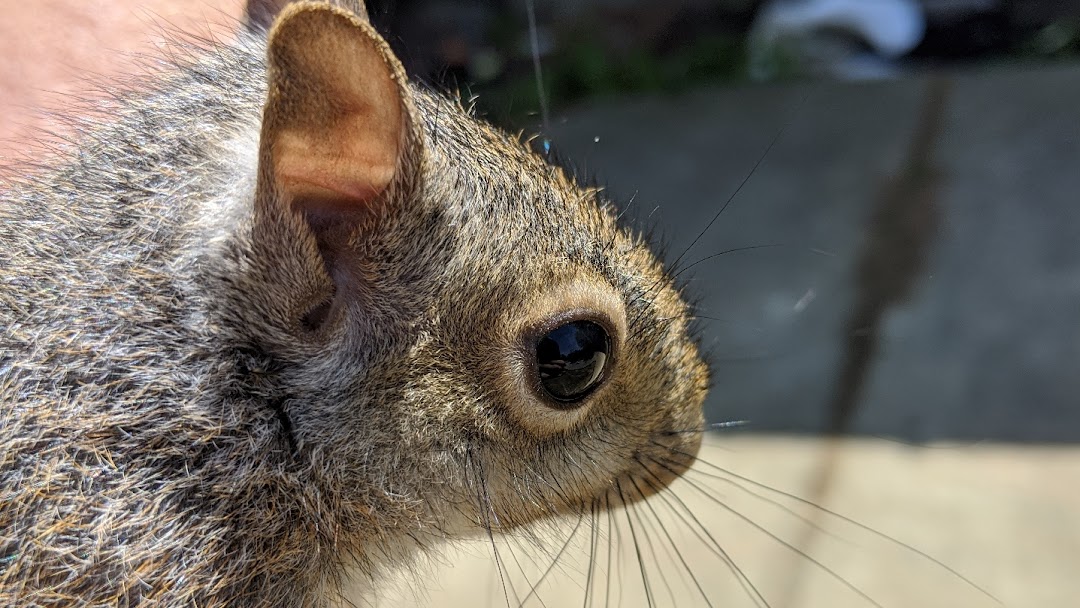
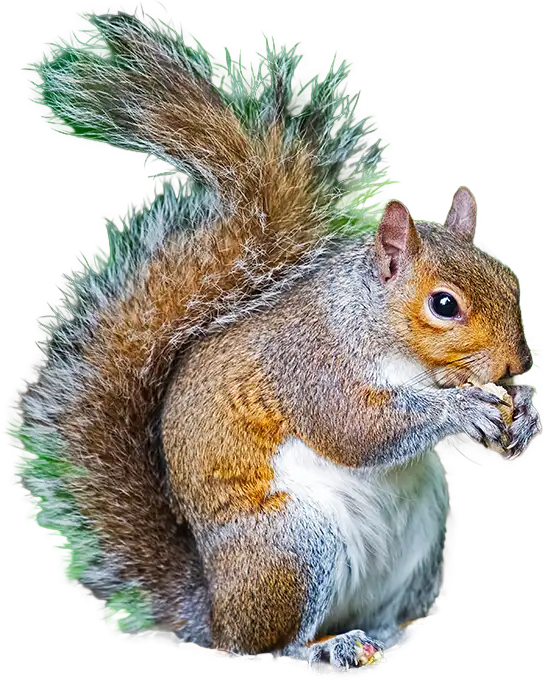
With a fondness for fresh fruits, vegetables, and flowers, the common squirrel has long spelled trouble for home gardeners. The average squirrel gathers acorns, pinecones, nuts, bark, fruit, berries, fungi, and insects, but is not above stealing bird eggs and bulbs. Sometimes they will even ruin your flowers just for the fun of it! Squirrels will not only attack your gardens, but your bird feeders as well. If you notice your bird food disappearing rather quickly, you may have a squirrel problem.
Squirrel Removal
Squirrel removal presents its own distinct set of challenges when compared to dealing with other pests. Squirrels are highly agile and skilled climbers, capable of effortlessly leaping from tree branches to roofs and accessing homes and attics through small openings. Their sharp teeth allow them to gnaw through various materials, including wood and electrical wires, leading to potential structural damage and fire hazards.
Squirrels are known for their persistent nesting behaviors.
Unlike some pests that primarily seek shelter and food, squirrels are known for their persistent nesting behaviors. They create intricate nests using leaves, twigs, and other materials, which they may construct in attics, chimneys, or wall voids. Squirrels are also known to be acrobatic and quick, making them challenging to trap or capture. They have a heightened sense of awareness and are cautious of new objects or changes in their environment.
Successful squirrel removal…
…often requires a combination of humane trapping methods, effective exclusion techniques to seal off access points, and professional expertise to safely and legally relocate these agile creatures.
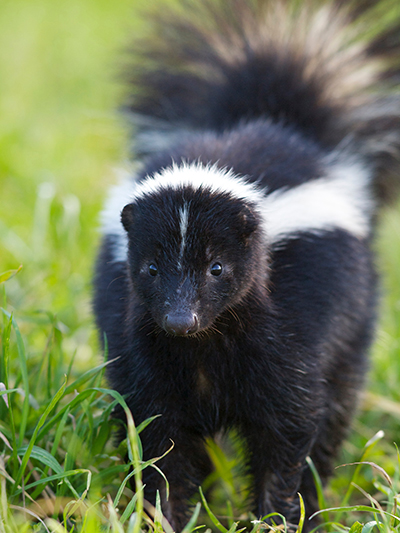
Striped skunks are omnivorous, feeding on both meat and plants. They are very opportunistic feeders and have a diet consisting of grubs, insects, small mammals, fish, fruits, crayfish, eggs, carrion (dead animals) and anything else it can find. The striped skunk gorges itself in the fall in preparation for a lean winter.
Skunk Removal
Skunk removal is a specialized process that requires careful handling and expertise due to the unique characteristics of these fascinating creatures. Unlike other pests, skunks possess a potent defense mechanism: the ability to emit a pungent spray from their anal glands. This makes skunk removal particularly challenging, as capturing them without triggering this defensive behavior is crucial.
Professionals trained in skunk removal
We employ a variety of humane techniques, such as live trapping or exclusion methods, to safely relocate skunks away from residential areas. Additionally, skunk removal often involves identifying and addressing the root cause of the infestation, such as uncovering potential den sites or food sources that attract these nocturnal animals.
Specialized approach to skunk removal
Overall, our “Skunks Stink” specialized approach sets it apart from other pest control procedures, requiring a unique understanding of skunk behavior and the use of non-lethal strategies to mitigate conflicts between humans and these creatures.
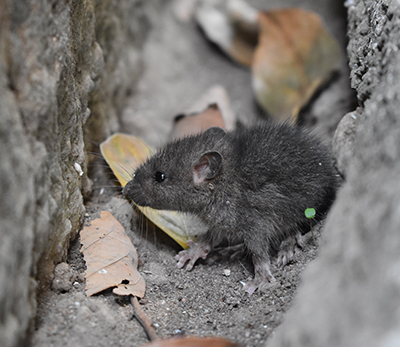
House mice are most often associated with humans in a variety of habitat type such as homes, warehouses, restaurants, factories, barns, and granaries. They are also found in agricultural fields, fencerows, and sometimes even in wooded areas.
Mouse removal
The house mouse is primarily a nocturnal animal but can be seen during daylight hours. It feeds on a variety of foods including but not limited to food consumed by humans, grains, seeds, green stems, leaves, insects and other plant and animal matter.
Mouse removal is a specialized task
Mouse removal requires a distinct approach compared to dealing with other pests. Mice possess several unique characteristics that set them apart from other common household pests. Their small size and agility enable them to squeeze through even the tiniest cracks and crevices, making it challenging to keep them out of homes and buildings.
Mice are notorious for their ability to reproduce rapidly, with a female capable of producing several litters each year. Their rapid breeding cycle can quickly lead to a full-blown infestation if not addressed promptly. Additionally, mice have a strong sense of curiosity and an instinctual urge to explore their surroundings, making them adept at discovering new food sources and shelter.
These traits make mouse removal a specific task that requires a comprehensive approach, including sealing entry points, employing traps and baits, and implementing proper sanitation practices to eliminate attractants and reduce the risk of future infestations.
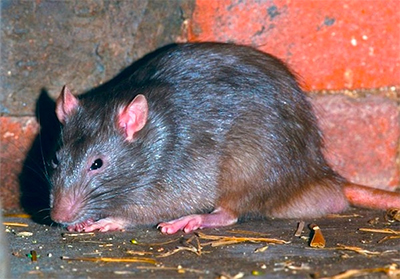
The rat is one of the most widespread animal species in the world due to their adaptability to a wide range of habitats. In urban areas, they are found around warehouses, residential buildings, and other human settlements. They prefer to live in dry upper levels of buildings, so they are commonly found in wall cavities and false ceilings. They also are found in agricultural areas, such as barns and crop fields.
Rat Removal
In the wild, roof rats live in cliffs, rocks, underground, and trees. They are great climbers and prefer to live in trees, such as pines and palm trees. In the absence of trees, they can burrow into the ground. Roof rats also are found around fences, ponds, riverbanks, streams, and reservoirs. Their nests are typically spherical and made of shredded material, including sticks, leaves, other vegetation, and cloth.
Rat removal presents its own unique challenges
When compared to dealing with other pests, rat removal presents its own unique challenges. Rats are larger and more powerful than mice, allowing them to chew through various materials, including wood, plastic, and even electrical wiring. This destructive behavior can lead to property damage and pose a significant fire hazard.
Unlike some pests that primarily seek shelter and food, rats are known for their adaptability and resourcefulness. They are capable climbers, swimmers, and excellent diggers, allowing them to access homes and buildings through multiple entry points. Rats also have a keen sense of smell and are cautious by nature, making them wary of new objects or changes in their environment, which can make trapping and baiting more challenging.
Due to their larger size and aggressive behavior, rat removal often requires a more aggressive and strategic approach, including the use of specially designed traps, professional pest control services, and thorough exclusion methods to prevent re-infestation.
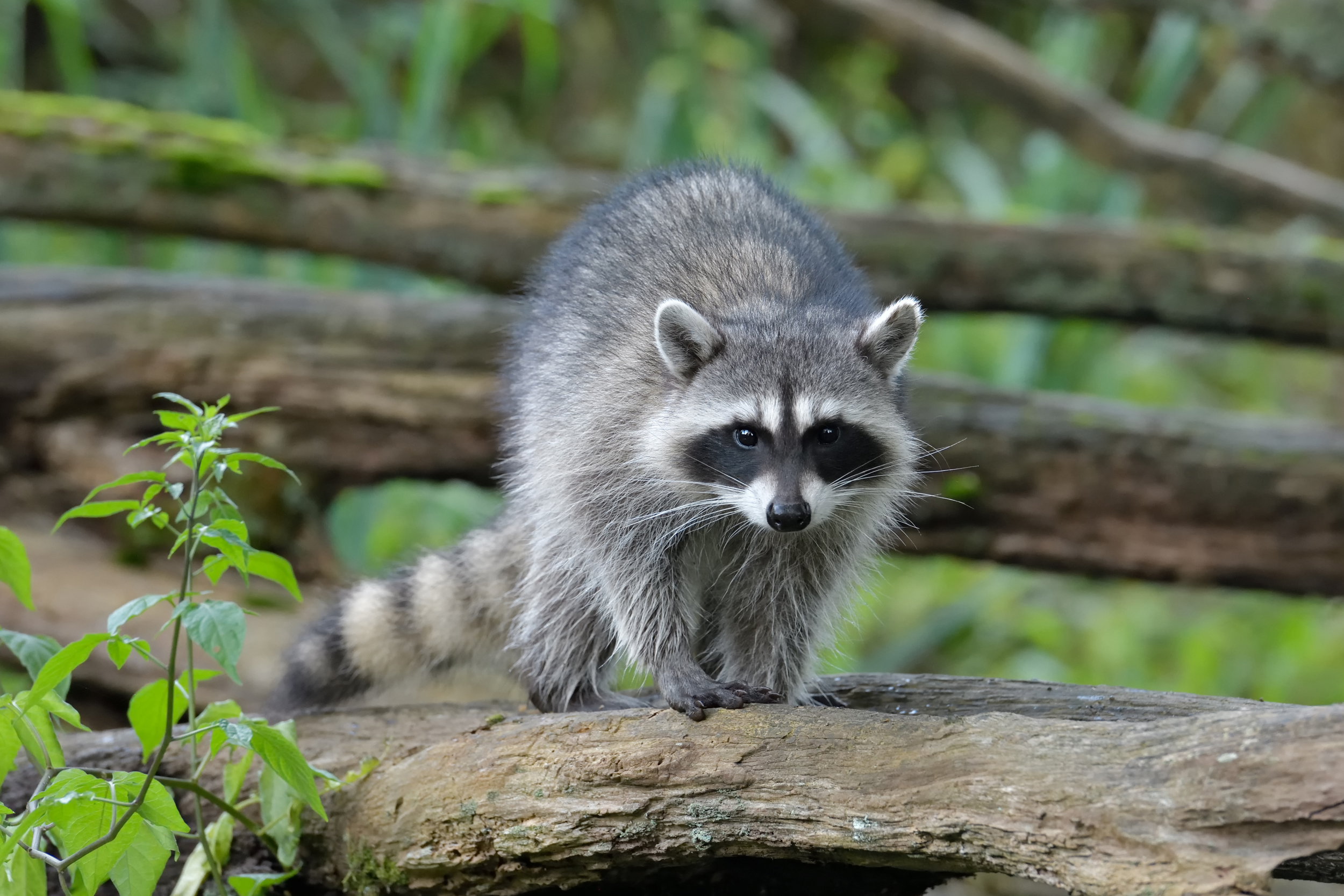
Raccoons have masks over their eyes because they could rob even a bank vault. These resourceful animals are second in persistence and imagination to no other animal (unless it’s a squirrel at a bird feeder). Raccoons are great climbers, swimmers, jumpers, and runners.
Their five-toed paws make them very dexterous, and their agility can allow them to outsmart every human concoction used to deter them. Raccoons are nocturnal creatures, meaning that they feed at night. This might make it hard for you to identify them, as you might only see the damage they cause. Looking for raccoon tracks near the damage might also help you to identify them.
Raccoon Removal
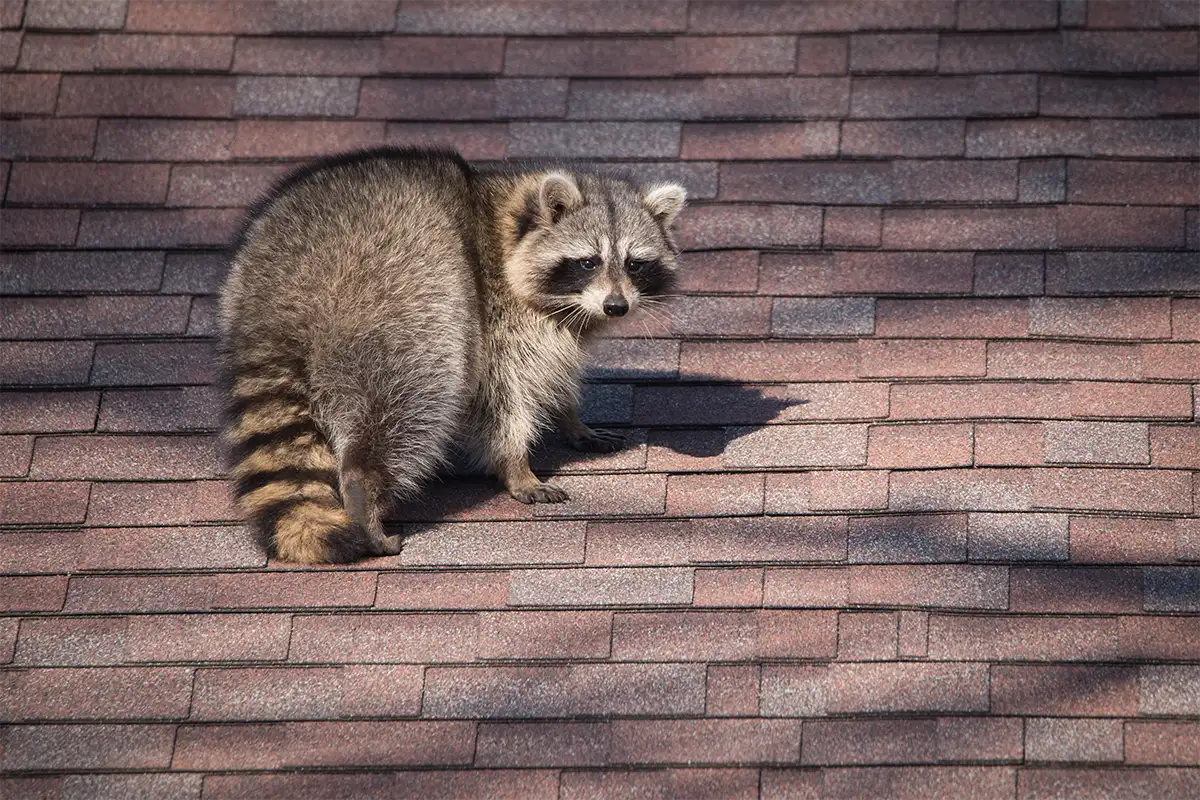
Raccoon removal presents its own set of unique challenges, distinguishing it from dealing with other pests. Raccoons, with their distinctive mask-like facial markings and ringed tails, are known for their intelligence and adaptability. These clever creatures are skilled climbers and agile with their nimble paws, allowing them to access rooftops, attics, and even chimneys in search of food and shelter.
Raccoon removal can be complex
Raccoons can be bold and fearless, making their removal a bit more complex. They are notorious for their dexterity in opening garbage cans and creating messes. Their presence can lead to property damage and potential health risks due to their potential as carriers of diseases. When it comes to raccoon removal, it’s important to approach the task with caution and expertise.
We employ humane trapping methods and implement exclusion techniques to seal off entry points. Just remember, when dealing with raccoons, it’s best to keep your wits about you and resist the temptation to challenge them to a game of “hide and seek”—they’re known for being unbeatable in that department!
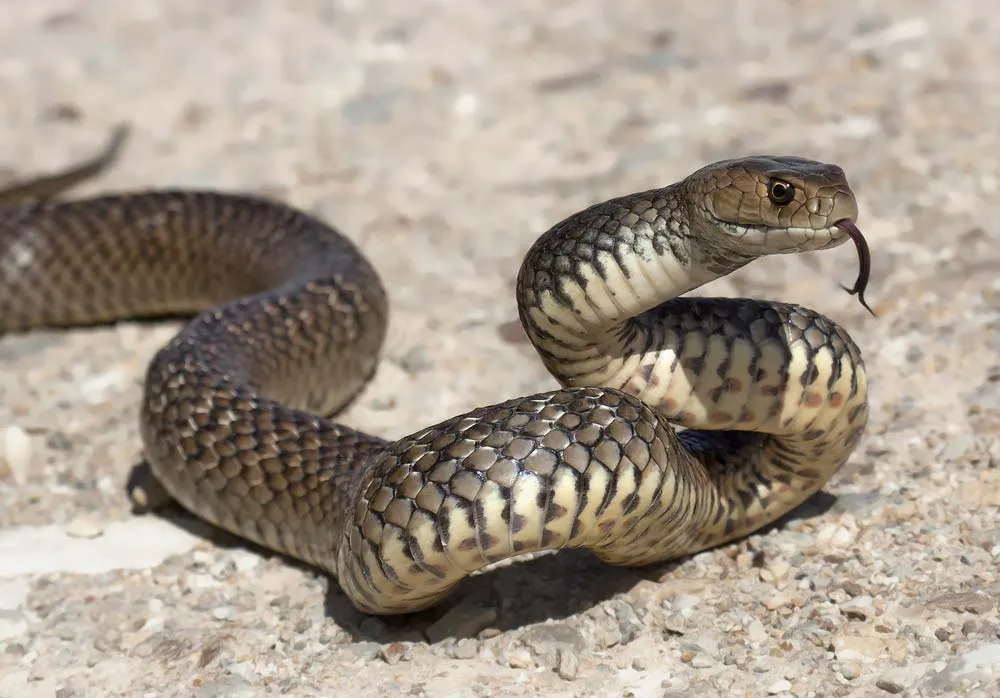
Alabama is home to a number of snakes, which include the venomous Copperhead, Cottonmouth, Eastern Coral Snake, Eastern Diamondback Rattlesnake, Pigmy Rattlesnake, and Timber Rattlesnake. Five of these six venomous snakes in Alabama are in the pit viper group. Snakes sometimes appear in strange places as they crawl about looking for food, water, or shelter.
Some snakes, such as copperheads, are fond of using old rock or woodpiles as shelter and feeding areas. In addition, brush and trash piles provide habitat for snakes and rodents. Given these facts, keeping old piles of debris cleaned up around your home reduces the shelter for snakes and their food sources. This will reduce the likelihood of snakes being present.
Snake Removal
Snake removal poses unique challenges compared to dealing with other pests. Snakes are reptiles that can vary in size, from small and harmless species to large and potentially dangerous ones. Their ability to slither and navigate through tight spaces makes them adept at entering homes, basements, and other structures through small openings, such as gaps under doors or cracks in foundations.
Snake removal often requires the expertise of trained professionals
Unlike mammals or insects, snakes do not chew or gnaw on structures, but their presence can still cause significant alarm and fear due to the potential for venomous bites or the fear of accidental encounters. Snake removal often requires the expertise of trained professionals who can identify the species, assess potential risks, and employ appropriate techniques to safely capture and relocate the snake.
Additionally, implementing exclusion measures to seal off entry points and discourage future snake visits may be necessary to ensure long-term prevention. Understanding the behavior, habitat preferences, and local regulations regarding snakes is crucial to effectively and safely handle their removal.
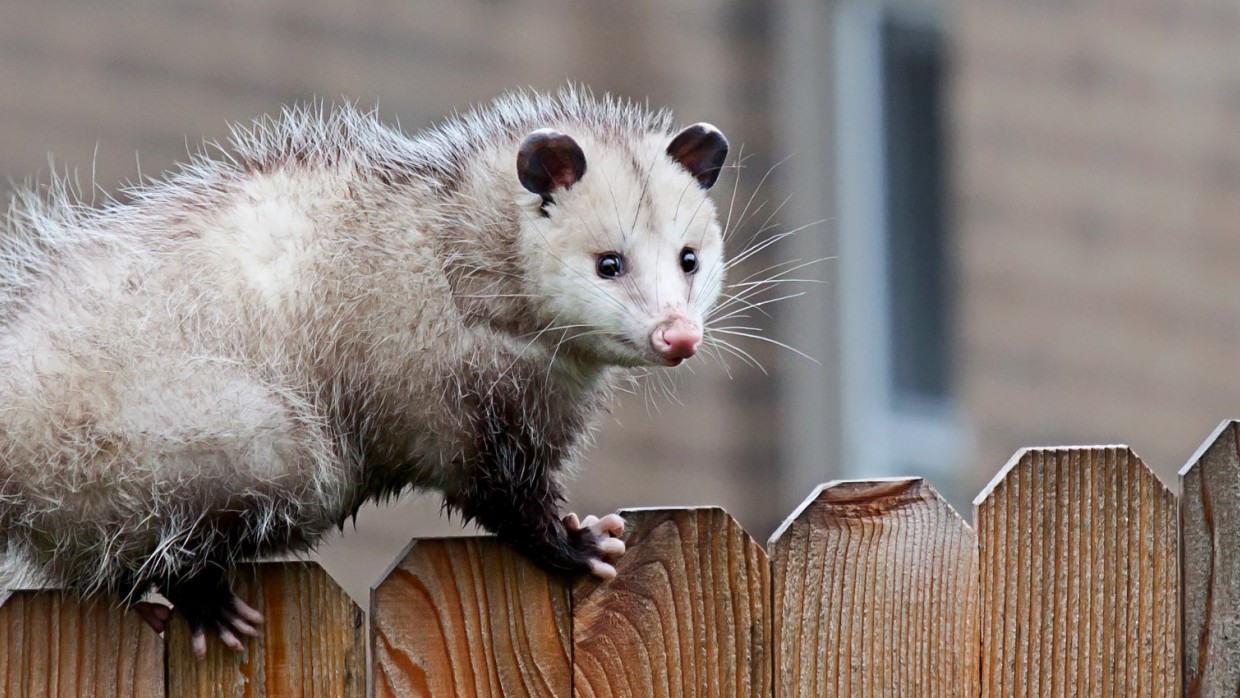
Perhaps the most famous characteristic of the opossum is its tendency to play dead in front of predators. When the animal experiences intense fear in the face of danger, it seizes up and flops to the ground where it can remain for hours staring blankly ahead and sticking out its tongue. A picture of a possum playing dead doesn’t really do it justice. To get the full experience, you need to be standing over to it to smell the putrid odor it emits when pretending to be a corpse.
Possum Removal
Possum removal presents its own unique challenges, distinguishing it from dealing with other pests. Possums, with their adorable and somewhat mischievous appearance, are known for their nocturnal habits and ability to adapt to various environments. They are skilled climbers and can easily access attics, crawl spaces, or even chimneys through tree branches or vines.
Possums play possum!
Unlike some pests that may scurry away at the slightest disturbance, possums have a reputation for playing possum! When feeling threatened, they often feign death by going into a catatonic state, making it a bit more challenging to capture or remove them. Additionally, possums have a diverse diet and can cause damage to gardens, crops, or garbage cans in their quest for food.
Possum Removal takes Patience
When it comes to possum removal, it’s essential to approach the situation with both patience and persistence. Employing humane trapping methods and utilizing exclusion techniques to seal off entry points are effective strategies. Remember, when dealing with possums, it’s best to keep your cool and resist the temptation to “play dead” yourself—leave the acting to the possums and focus on finding a peaceful coexistence.
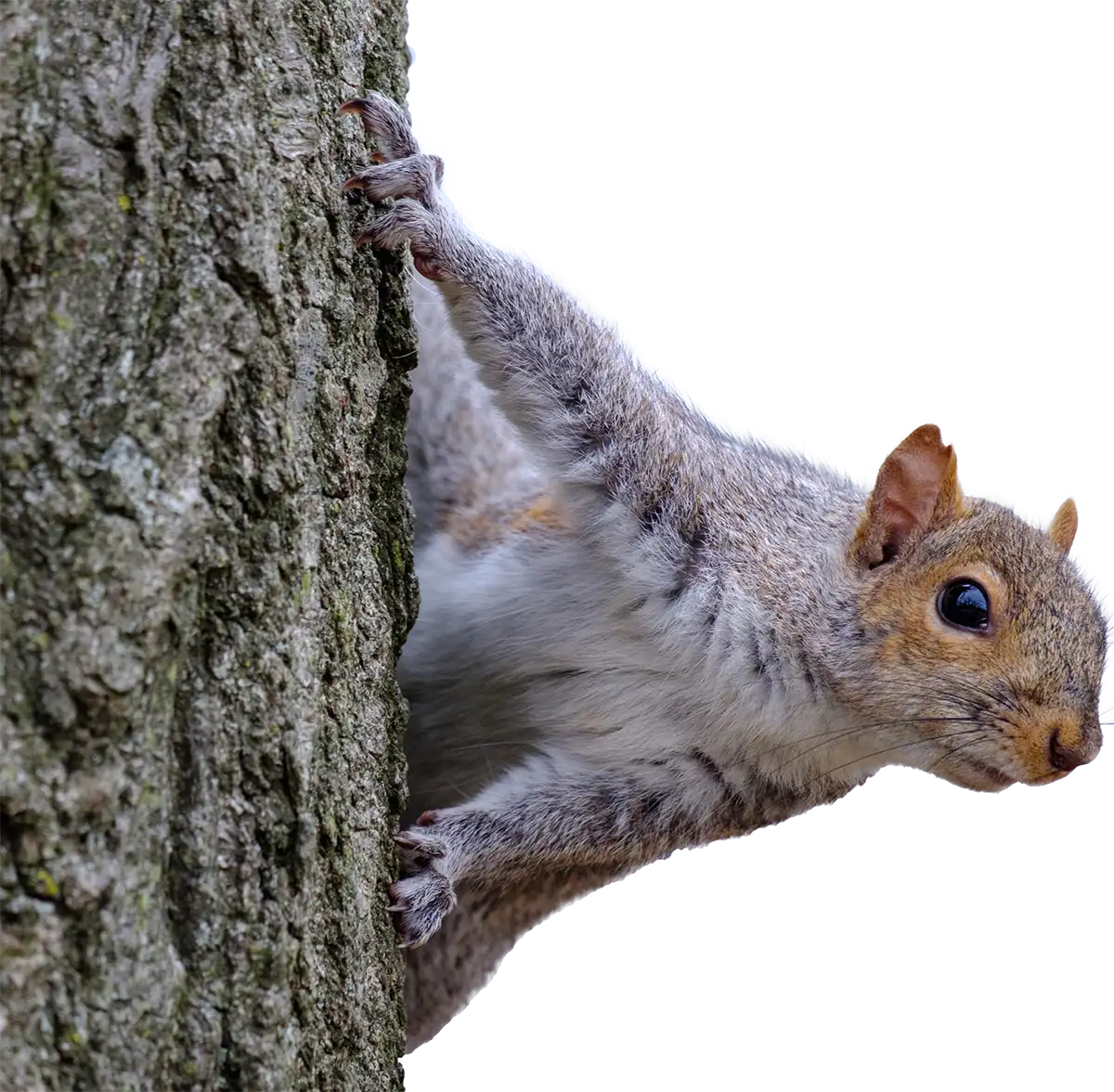
Most people in North Alabama never actually see a flying squirrel, which is part of why a colony can live in an attic for months before anyone notices. They are small and strictly nocturnal, so the first clue is usually faint scurrying or gliding sounds overhead well after dark.
How Flying Squirrels Get In
Flying squirrels glide down from nearby trees onto the roof and slip through surprisingly small gaps, often around the soffits or where the roofline meets the gutters. They tend to reuse the same opening season after season, and a colony will keep coming back to a warm attic until those entry points are actually closed.
How We Get Them Out
Trapping one or two does almost nothing while the rest of the group is still in the wall, so we rely on one-way exclusion devices that let the whole colony leave on their own. Once they are out, we seal the gaps behind them and leave you with a quiet attic and a roofline they can no longer use.
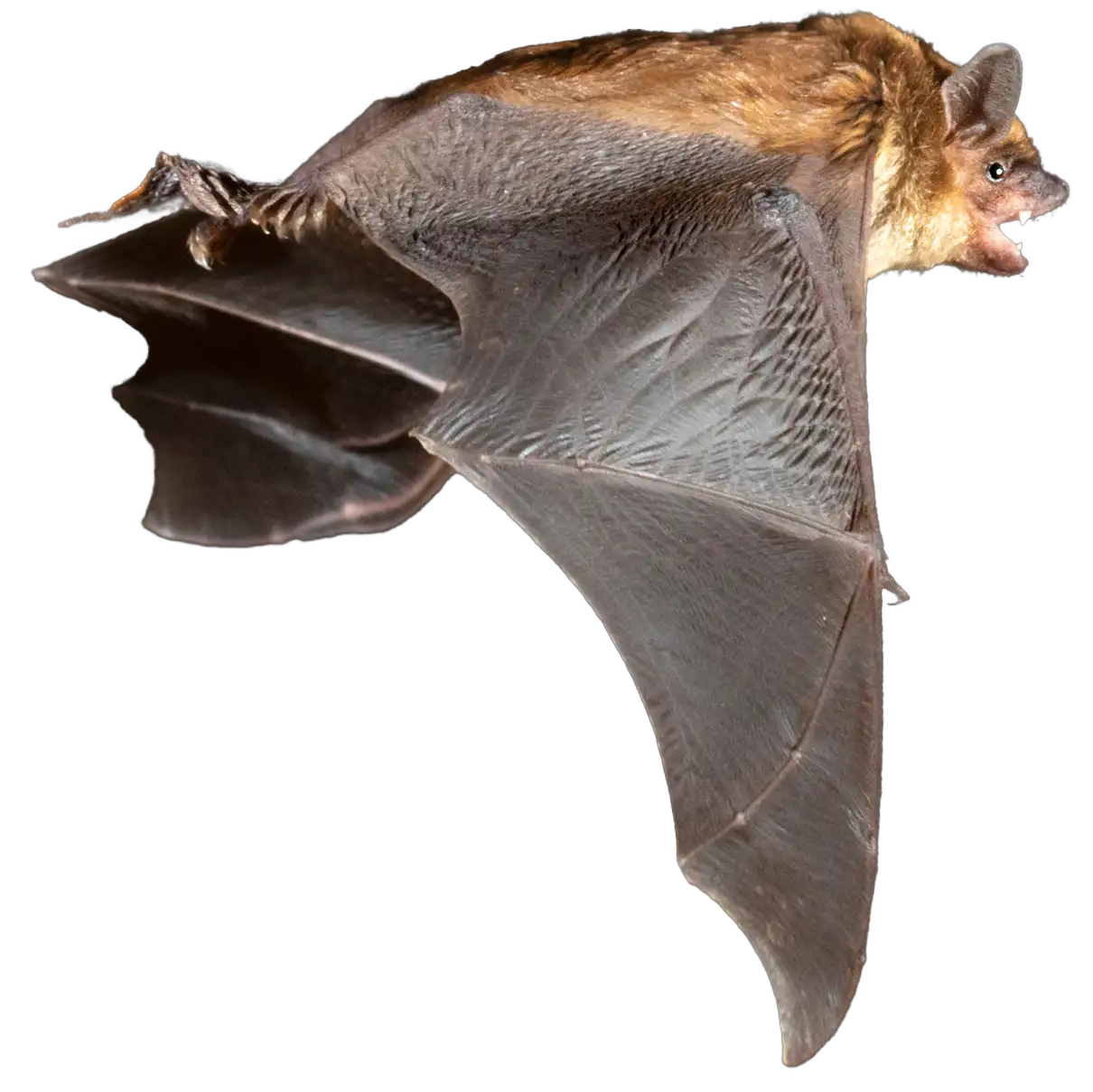
Bats earn their keep eating mosquitoes by the thousand, so the goal is never to harm them. The problem is the colony that moves out of the night sky and into your attic, where the guano piles up faster than most homeowners expect and brings real health concerns with it.
Why Bats Need a Careful Approach
Bat guano can carry the spores behind histoplasmosis, a serious lung infection, and a roost left alone only grows larger. Removal also has to wait until the pups are old enough to fly, so the timing of the work matters as much as the method.
We handle the full job on our bat removal page, from inspection and one-way exclusion through guano clean-up and the warranty.
Chipmunks look harmless darting across the patio with their cheeks full, and out in the open yard they mostly are. The trouble starts when they burrow against a foundation or under a deck, because those tunnels quietly undermine the soil and can crack concrete or steer water back toward the house.
Signs of a Chipmunk Problem
You will usually spot small, clean burrow holes about two inches across near the foundation or along the edge of a flower bed, with no mound of loose dirt around them. Chewed bulbs and raided bird feeders often show up alongside the digging.
How We Get Them Out
We trap the active chipmunks and then close off the burrows and foundation gaps that drew them in, so another one cannot simply move into the same tunnel a week later. Because they are such determined diggers, lasting control comes from exclusion and a few habitat changes rather than trapping alone.
Frequently Asked Questions
How do you remove squirrels from a home?
Successful squirrel removal requires a combination of humane trapping methods, effective exclusion techniques to seal off access points, and professional expertise to safely and legally relocate these agile creatures. Squirrels build persistent nests in attics, chimneys, and wall voids and can chew through wood and electrical wires, causing structural damage and fire hazards. See our squirrel removal page for details.
How do you remove a raccoon from an attic?
Roberts Wildlife uses humane trapping methods and exclusion techniques to seal off entry points. Raccoons are skilled climbers that access rooftops, attics, and chimneys; their dexterous paws make them adept at opening containers and creating messes, so removal requires caution and expertise. See our raccoon removal page for details.
How do you safely remove a snake?
Snake removal requires trained professionals who can identify the species, assess risks, and safely capture and relocate the snake. Alabama is home to venomous species including Copperhead, Cottonmouth, Eastern Coral Snake, and three rattlesnakes. Exclusion measures help prevent return.
How do you safely remove a skunk?
Skunk removal is a specialized process that requires careful handling because skunks can emit a pungent spray. Roberts Wildlife uses humane techniques such as live trapping or exclusion methods to safely relocate skunks, and we identify and address den sites or food sources attracting them.
How do you handle a mouse infestation?
Mouse removal requires a comprehensive approach: sealing entry points, employing traps and baits, and proper sanitation to eliminate attractants. Mice reproduce rapidly and squeeze through tiny cracks, so addressing infestations promptly is essential.
How do you remove rats from a property?
Rat removal often requires aggressive and strategic trapping, professional pest control, and thorough exclusion methods to prevent re-infestation. Rats can chew through wood, plastic, and electrical wiring and access homes through multiple entry points.
How do you get rid of flying squirrels?
Flying squirrels live in colonies and come out at night, so trapping a few does not solve the problem. Roberts Wildlife uses one-way exclusion devices that let the whole group leave the attic on their own, then seals the gaps around the soffits and vents so they cannot get back in.
How do you remove a possum?
Possum removal uses humane trapping methods and exclusion techniques to seal off entry points. Possums are skilled climbers that access attics, crawl spaces, and chimneys, and require patience and persistence to remove.
How do you handle a chipmunk problem?
We trap the active chipmunks and then close off the burrows and foundation gaps that attracted them, so another one does not move into the same tunnel. Because their tunneling can undermine walkways and foundations, sealing those entry points matters as much as the trapping itself.